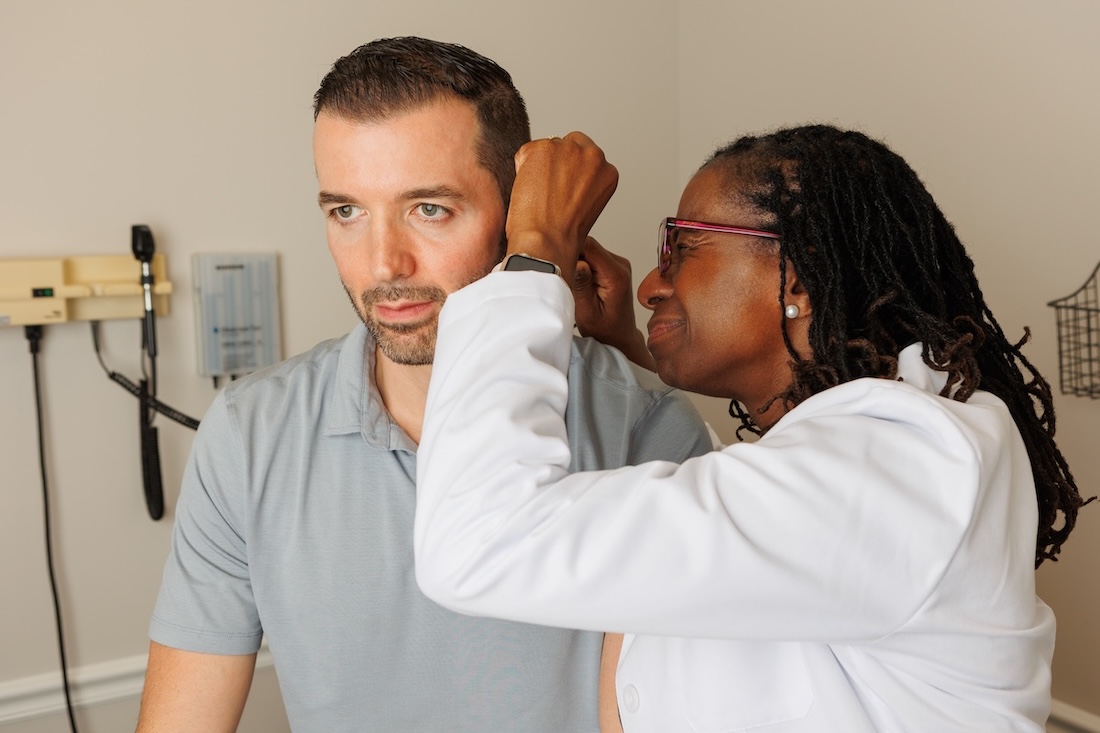
Cardiovascular Risk Assessment Why Early Detection Matters

Cardiovascular Risk Assessment in Jupiter, FL

A More Proactive Approach to Heart Health and Preventive Care

Today’s Generation X adults and active individuals are redefining healthcare expectations. Many are not waiting until symptoms appear before seeking medical guidance. Instead, they are prioritizing prevention, longevity, and maintaining the quality of life that allows them to continue traveling, exercising, working, spending time with family, and enjoying an active lifestyle. At Concierge Internal Medicine Associates, preventive medicine focuses on identifying potential concerns early and helping patients understand health risks before they become larger medical problems.

Cardiovascular Disease Often Develops Quietly

Heart disease frequently progresses without obvious warning signs. Many individuals feel well while underlying risk factors continue developing over years. Elevated cholesterol, high blood pressure, inflammation, metabolic changes, diabetes, chronic stress, smoking history, sleep issues, family history, and lifestyle habits may all contribute to cardiovascular risk. Even active adults who exercise regularly and maintain busy schedules can have hidden risk factors that deserve attention. Early cardiovascular risk assessments allow patients to gain a better understanding of their overall health profile and may identify concerns before symptoms develop.

An Investigative Approach to Prevention and Cardiovascular Wellness

At Concierge Internal Medicine Associates, the focus extends beyond simply treating symptoms. The medical team takes an investigative and personalized approach to preventive care by evaluating the complete picture of a patient’s health. Whether patients are working with Beatrice Deshommes, M.D., Susan B. Poncy, M.D., or Daniel Boss, M.D., the goal remains the same: understanding the underlying factors that may influence long-term health and cardiovascular wellness.

As part of their training and clinical approach, the physicians evaluate much more than a single blood pressure reading or routine laboratory result. Cardiovascular risk assessments may involve reviewing family history, cholesterol trends, metabolic health, body composition, lifestyle patterns, activity levels, weight changes, sleep quality, stress factors, and other indicators that may contribute to future risk. This investigative style of medicine allows patients to gain a more comprehensive understanding of their health and create meaningful preventive strategies.

The Benefits of Early Cardiovascular Risk Detection

Early cardiovascular assessments can provide important information before symptoms appear. Identifying potential concerns earlier may create opportunities for personalized lifestyle recommendations, preventive interventions, additional diagnostic evaluation, and ongoing monitoring designed to support long-term wellness goals. Preventive medicine is not about creating fear or unnecessary testing—it is about helping patients make informed decisions and preserving health over time.

For many Generation X adults, prevention is becoming increasingly important because cardiovascular health affects much more than the heart itself. Heart health can influence energy levels, physical performance, cognitive function, and overall quality of life as individuals age.

Seeking a Primary Care Doctor in Jupiter, FL Focused on Prevention and Longevity

Adults seeking a primary care physician in Jupiter, Florida increasingly want a healthcare partner who emphasizes prevention, early detection, and individualized care rather than reactive treatment alone. At Concierge Internal Medicine Associates, patients benefit from a collaborative medical team approach designed to support long-term wellness goals and proactive health management. Whether the focus is maintaining an active lifestyle, improving heart health, supporting longevity, or simply gaining greater insight into overall wellness, cardiovascular risk assessment can be an important step toward protecting future health.

Lung Cancer Screening Assessment

Lung Cancer Screening Assessment Doctor Primary Care

Early Lung Cancer Screening After 55: Why Preventive Care Matters More Than Ever

Understanding Lung Health as You Age

As adults enter their mid-50s and beyond, preventive healthcare often becomes less about treating illness and more about identifying risks before they become serious medical problems. Many adults in Generation X and seniors are focused on maintaining energy, protecting independence, traveling, enjoying retirement, and staying active with family and grandchildren. One important but frequently overlooked area of preventive health is lung cancer risk assessment. Lung cancer can develop quietly over time and often does not produce noticeable symptoms during its earliest stages. By the time symptoms such as a persistent cough, unexplained weight loss, shortness of breath, or fatigue appear, the disease may already be more advanced. Discussing lung health with your primary care physician can help identify concerns long before symptoms develop.

Who Should Consider an Early Lung Cancer Screening Assessment?

Many individuals mistakenly believe lung cancer screening only applies to current smokers. In reality, risk factors extend beyond smoking alone. Adults over age 55 may have additional risk considerations including previous smoking history, long-term exposure to secondhand smoke, occupational exposures, environmental factors, or a family history of lung disease or cancer. Even individuals who quit smoking years ago may still benefit from discussing their history with their physician. A personalized screening assessment with your primary care doctor allows for a complete review of your health profile rather than relying on assumptions or generalized recommendations.

Benefits of Early Lung Cancer Detection

One of the greatest advantages of early lung cancer screening is the possibility of identifying concerns at a stage when more treatment options may be available. Early detection can help physicians recognize abnormalities before symptoms develop and before a condition potentially becomes more complex to manage. Screening is not intended to create unnecessary worry—it is designed to provide valuable information that supports informed healthcare decisions. For many patients, peace of mind alone can be an important benefit of understanding their risk profile and taking a proactive approach to their health.

Why Your Primary Care Physician Plays an Important Role

Your primary care physician serves as the central point for preventive care and long-term health planning. Unlike isolated testing, a physician-guided lung cancer screening assessment considers your complete health picture, including medical history, medications, family history, lifestyle habits, and other chronic health conditions. This approach helps determine whether screening may be appropriate while ensuring recommendations align with your overall wellness goals. Preventive healthcare is most effective when it becomes part of a personalized strategy rather than a single test or appointment.

Concierge Internal Medicine Associates and Preventive Healthcare for Adults 55+

At Concierge Internal Medicine Associates, we believe healthcare should focus on prevention, early detection, and individualized care for adults seeking a proactive approach to aging well. Many Generation X adults and seniors are prioritizing longevity, maintaining quality of life, and protecting their future health. Early lung cancer screening assessments may become an important part of that strategy. Through comprehensive evaluations and personalized guidance, patients can gain greater insight into their individual health risks and take meaningful steps toward protecting their long-term wellness.

The Importance of Primary Care Involvement After a Cancer Diagnosis

Primary Care Involvement After a Cancer Diagnosis

How Concierge Internal Medicine Associates Helps Patients Navigate Oncology Care in Palm Beach County

Receiving a cancer diagnosis can be overwhelming. In the early stages, patients often find themselves navigating a complex healthcare system that may involve oncologists, surgeons, radiologists, and other specialists. While an oncologist focuses on treating the cancer itself, many patients do not realize how important it is to keep their primary care physician actively involved throughout the treatment process. Internal medicine physicians play a critical role in protecting overall health, coordinating care, and helping patients safely manage the medical challenges that can arise during cancer treatment.

Why Primary Care Matters After a Cancer Diagnosis

Cancer treatment affects much more than the tumor itself. Chemotherapy, radiation therapy, surgery, immunotherapy, and targeted therapies can influence nearly every system in the body. Patients may experience fatigue, immune suppression, cardiovascular strain, metabolic changes, nutritional deficiencies, or worsening of existing medical conditions.

An internal medicine physician provides comprehensive oversight of a patient’s overall health while cancer treatment is underway. While the oncologist focuses on the cancer and treatment protocols, the primary care physician ensures that the rest of the body remains stable and resilient during therapy.

Areas often monitored during treatment include:

  • Blood pressure and cardiovascular health
  • Blood sugar control for patients with diabetes or metabolic conditions
  • Kidney and liver function
  • Medication interactions between cancer therapies and other prescriptions
  • Nutrition, hydration, and weight changes
  • Infection risk and immune system function
  • Maintaining stability in these areas can improve a patient’s ability to tolerate treatment and reduce the risk of complications.

How Internal Medicine Physicians Work with Oncologists

Modern cancer care is increasingly collaborative. Internal medicine physicians often work closely with oncologists to ensure patients receive coordinated, patient-centered care that addresses both the cancer diagnosis and the individual’s broader health needs.

This collaboration may involve:

  • Reviewing oncology treatment plans and how they may impact existing medical conditions
  • Adjusting medications to avoid interactions with chemotherapy or immunotherapy
  • Monitoring laboratory values and organ function throughout treatment
  • Managing treatment-related side effects such as anemia, fatigue, or metabolic changes
  • Coordinating referrals to specialists such as cardiologists, endocrinologists, nutritionists, or rehabilitation providers
  • Ensuring preventive and chronic disease management continues during cancer treatment
  • When primary care physicians and oncologists communicate effectively, patients benefit from more comprehensive and safer medical care throughout the treatment journey.

Personalized Care Through Concierge Internal Medicine Associates

At Concierge Internal Medicine Associates, patients receive a highly personalized approach to managing their health during a cancer diagnosis. Whether you are working with Beatrice Deshommes, M.D., Daniel Boss, M.D., or Susan Poncy, M.D., your physician serves as a central medical advocate who helps coordinate care across the Palm Beach County medical community.

Pre-diabetes: Why Early, Personalized Care Matters—Especially for Those at Higher Risk

Dr. Deshommes primary care concierge doctor

Diabetes – Lifestyle and Genetics

Pre-diabetes affects millions of adults and often develops quietly, without noticeable symptoms. For many, it is discovered incidentally during routine lab work—yet it represents a critical warning sign. Without timely intervention, prediabetes frequently progresses to type 2 diabetes, significantly increasing the risk of heart disease, stroke, kidney disease, nerve damage, cognitive decline, and loss of independence later in life.

For active adults, executives with demanding schedules, and older adults focused on longevity, early and proactive management of prediabetes is essential—and highly effective when guided by the right physician.

What Is Prediabetes?

Prediabetes occurs when blood glucose levels are elevated but not yet in the diabetic range. Common indicators include:

  • Elevated fasting glucose
  • Increased hemoglobin A1C
  • Insulin resistance
  • Family history of diabetes
  • Abdominal weight gain
  • Fatigue, brain fog, or sugar cravings

Many patients—especially those who remain active—are surprised by this diagnosis. Genetics play a powerful role, and even individuals who exercise regularly and eat well may be at risk due to inherited metabolic tendencies.

Genetics, Aging, and Lifestyle: Why a One-Size-Fits-All Approach Fails

Patients with a genetic predisposition to diabetes often require more than generic advice. This is particularly true for:

  • Active adults and retirees in Jupiter and Tequesta who want to preserve mobility and independence
  • Executives and professionals in Palm Beach Gardens balancing stress, travel, and long workdays
  • Geriatric patients in Juno Beach aiming to prevent complications that threaten quality of life
  • Without individualized medical oversight, many patients are told to “watch and wait”—allowing disease progression rather than prevention.

The Role of Preventive Concierge Medicine in Prediabetes

Preventive medicine focuses on identifying risk early and intervening strategically—before irreversible damage occurs. A concierge primary care physician is uniquely positioned to do this.

By working closely with a physician, patients benefit from:

  • Advanced metabolic and cardiovascular testing
  • Early identification of insulin resistance trends
  • Personalized nutrition strategies based on genetics and lifestyle
  • Safe, medically guided weight optimization
  • Ongoing monitoring and proactive adjustments


This level of care is particularly valuable for older adults managing multiple health considerations and high-performing professionals who need efficient, coordinated medical guidance.

A Personalized Care Plan—Not Just Lab Results

Effective prediabetes management requires a comprehensive, individualized strategy:

  • Precision Testing
    Detailed metabolic, inflammatory, and cardiovascular markers help identify early dysfunction—often years before diabetes develops.Nutrition Tailored to the Individual
    Dietary guidance must align with insulin response, hormonal balance, activity level, and cultural preferences—not trends or fads.
  • Targeted Movement
    Exercise plans should improve insulin sensitivity while supporting joint health, muscle mass, and cardiovascular endurance—especially important for aging adults.
  • Weight & Body Composition Optimization
    Even modest reductions in visceral fat can significantly improve blood sugar control when done safely and under medical supervision.
  • Ongoing Physician Partnership
    Prediabetes is dynamic. Regular follow-up allows the care plan to evolve with age, stress levels, travel schedules, and changing health goals.

Concierge Preventive Care With Dr. Beatrice Deshommes, M.D., FACP

As a board-certified internal medicine physician, Dr. Beatrice Deshommes, M.D., FACP provides concierge primary care with a strong focus on prevention, metabolic health, and long-term wellness. Her approach is ideal for patients who are genetically predisposed to diabetes and want to take control of their health before chronic disease develops.

Dr. Deshommes partners closely with her patients to:

  • Identify early metabolic risk factors
  • Develop realistic, sustainable lifestyle strategies
  • Prevent progression to type 2 diabetes
  • Support cardiovascular, cognitive, and functional health as patients age
  • Her concierge model allows for longer visits, deeper analysis, and proactive care—particularly beneficial for geriatric patients, active retirees, and busy executives who value continuity and personalized attention.

Serving Northern Palm Beach County’s Active & Aging Population

Dr. Deshommes proudly provides concierge primary care for residents of:

Jupiter
Palm Beach Gardens
Tequesta
Juno Beach
Whether you live in Admirals Cove, Jonathan’s Landing or PGA National, these communities are home to South Florida individuals who prioritize longevity, independence, mental clarity, and an active lifestyle—well into later decades of life.

Prediabetes Is an Opportunity for Prevention

Prediabetes is not a failure—it is an early warning and an opportunity. With the guidance of a preventive, concierge internist, patients can often reverse course, preserve vitality, and avoid the complications that diminish quality of life.

For those seeking a trusted, personalized medical partner in Northern Palm Beach County, concierge preventive care offers a smarter, more proactive path forward.

Senior Care Resources

Choosing the Right Doctor: Why It’s About More Than Just Experience

Choosing the Right Doctor for Your Medical Care

Selecting the right physician is a critical decision that impacts your overall health, quality of life, and long-term wellness. While board certifications and years of clinical experience are important, today’s healthcare environment demands more than just credentials. Patients need a doctor who understands how to coordinate care, communicate effectively, and advocate on their behalf. The ability to connect patients to timely services, reduce unnecessary hospital visits, and provide guidance through a complex medical system is what truly defines exceptional care.

Care Coordination and Sub-Specialist Access Matters

One of the key roles of an effective primary care physician is to ensure patients have access to the care they need—when they need it. This includes having established relationships with top sub-specialists in fields such as cardiology, endocrinology, pulmonology, and orthopedics. A doctor who can make a phone call and get you seen promptly by a trusted colleague is invaluable. This kind of coordinated care reduces wait times, avoids fragmented treatment, and improves outcomes—especially for patients with complex or chronic medical needs.

Dr. Daniel Boss: A Hands-On Healthcare Innovator

Dr. Daniel Boss has been a trusted physician in Jupiter and Palm Beach Gardens for more than 23 years. Known as a forward-thinking healthcare innovator, he takes a highly personal and hands-on approach to medicine. His patients appreciate his accessibility, responsiveness, and commitment to staying actively involved in every aspect of their care. Whether you need help transitioning from the hospital to home, arranging a referral, or managing multiple medications, Dr. Boss is there to help guide the process with clarity and compassion.

Navigating Jupiter Healthcare and Insurance Maze

Understanding the ins and outs of today’s health insurance landscape can be overwhelming. A great doctor not only provides care but also helps patients make the most of their coverage. Dr. Boss and his team work closely with patients to coordinate services within the practice, minimize out-of-pocket costs, and ensure appropriate authorizations and referrals are in place. This level of support allows patients to receive the care they need without unnecessary financial stress or bureaucratic delays.

A Dependable Advocate for Aging in Place

What truly sets Dr. Boss apart is his dependability and dedication to helping patients stay healthy, independent, and out of the hospital. By staying involved in every stage of a patient’s health journey—whether in the office, at Jupiter Medical Center, or coordinating with home care services—he helps prevent avoidable emergencies and promotes successful aging in place. For residents of Jupiter, Tequesta, Palm Beach Gardens, Juno Beach, and Hobe Sound, Dr. Boss provides more than just medical care—he offers a long-term partnership built on trust, accessibility, and results.

Vaping and Blood Glucose: Understanding the Connection

Vaping and blood glucose concierge internal medicine doctor Daniel Boss, MD Jupiter, FL

As a Board-Certified Internal Medicine physician, Daniel Boss, MD, takes a personalized approach to patient care. He focuses on understanding each patient’s habits and stress triggers, recognizing how these behaviors can impact overall health. Dr. Boss is passionate about helping patients identify and break away from addictive patterns, like vaping, and supports them in developing healthier, more productive choices.

How Vaping Affects Blood Glucose

Vaping, or the use of electronic cigarettes (e-cigarettes) to inhale substances such as nicotine, has become increasingly common. Although promoted as a less harmful alternative to traditional cigarettes, research has uncovered potential risks, including its effects on blood glucose levels. This issue is especially significant for adults between the ages of 30 and 65, as they are more likely to develop chronic health conditions, including diabetes.

Nicotine, a key ingredient in many vaping liquids, has a notable effect on the body’s endocrine system. It prompts the release of stress hormones like adrenaline and cortisol, which signal the liver to release glucose into the bloodstream. This process can cause temporary elevations in blood sugar levels. For individuals with diabetes or prediabetes, such changes make it more challenging to maintain stable glucose levels and can heighten the risk of complications over time.

In addition to nicotine, other substances found in e-cigarette liquids, such as flavoring agents, may contribute to blood sugar imbalances. These ingredients have been linked to oxidative stress and inflammation, both of which can reduce insulin sensitivity and impair the body’s ability to regulate glucose.

Risks for Midlife Adults

For people aged 30 to 95, a life stage often associated with weight changes, decreased physical activity, and hormonal shifts, vaping can pose additional risks. This age group is already more vulnerable to developing type 2 diabetes, and the strain that vaping places on the body’s metabolic systems can exacerbate these risks.

The addictive nature of vaping makes it particularly concerning. Consistent nicotine use can result in frequent blood sugar fluctuations, forcing the pancreas to work harder to produce insulin. Over time, this added strain may lead to insulin resistance, a decline in pancreatic function, and an increased likelihood of metabolic disorders.

Making Informed Choices About Vaping

While vaping may offer some benefits for those trying to quit smoking, it is not free of health risks. Dr. Boss encourages adults, especially those with a family history of diabetes or other metabolic concerns, to carefully weigh the potential downsides. For individuals who vape, regular monitoring of blood glucose levels and consulting with a healthcare provider can help identify and manage risks early on.

Shifting from Addiction to Healthy Habits

Dr. Boss is dedicated to guiding patients away from harmful behaviors like vaping. By addressing underlying stressors and promoting healthier alternatives—such as stress-reducing activities, exercise routines, and dietary improvements—he helps patients replace detrimental habits with ones that support long-term health. Understanding the link between vaping and blood glucose levels is essential for making informed decisions about health. Nicotine and other compounds in e-cigarettes can disrupt glucose metabolism, increasing risks for both diabetic and non-diabetic individuals. For adults in midlife, choosing healthier behaviors and seeking professional support can help prevent chronic health conditions and promote overall well-being.

Eternal Wisdom: Unraveling the Secrets of Blue Zones and Aging Gracefully

Understanding the Blue Zones Benefits

Blue Zones are regions around the world known for their unusually high concentration of centenarians (people living to be 100 years old or more) and their overall well-being. These areas have captured the attention of researchers and health experts due to their longevity and the relatively low rates of age-related diseases among their populations. The term “Blue Zones” was coined by Dan Buettner, a National Geographic fellow and author, after he identified and studied these regions. As of my last knowledge update in September 2021, the five main Blue Zones are:

  1. Okinawa, Japan: Known for the longevity of its residents, Okinawa’s diet is rich in vegetables, tofu, and seafood. The Okinawan lifestyle emphasizes physical activity, social engagement, and a strong sense of community.
  2. Sardinia, Italy: Sardinia boasts a high number of centenarians, with a diet that includes whole grains, legumes, and goat’s milk. Residents maintain an active lifestyle through daily physical work and maintain strong social bonds.
  3. Nicoya Peninsula, Costa Rica: In Nicoya, a diet of beans, corn, and tropical fruits is common. Regular physical activity, close-knit communities, and a sense of purpose contribute to the longevity of its inhabitants.
  4. Icaria, Greece: The Mediterranean diet plays a significant role in the longevity of Icaria’s residents, with an emphasis on vegetables, olive oil, and herbs. Physical activity, strong family connections, and a relaxed pace of life are also key factors.
  5. Loma Linda, California, USA: Loma Linda is unique among Blue Zones because it’s the only one located in the United States. The community’s longevity is attributed to a vegetarian diet, regular exercise, and a strong sense of faith and community among Seventh-day Adventists.

What Aging Americans Can Learn from Blue Zones:

  1. Dietary Habits: Blue Zones emphasize plant-based diets rich in vegetables, fruits, legumes, and whole grains. Aging Americans can benefit from adopting similar dietary habits to reduce the risk of chronic diseases and promote longevity.
  2. Physical Activity: Incorporating regular, low-intensity physical activity into daily routines can help maintain muscle mass, bone density, and overall fitness. This can be as simple as walking, gardening, or practicing gentle exercises like yoga.
  3. Social Connections: Building and nurturing strong social connections can combat loneliness and improve mental well-being. Regular social engagement with friends and family can contribute to a longer, healthier life.
  4. Sense of Purpose: Having a sense of purpose and meaning in life can lead to reduced stress and a greater overall sense of satisfaction in one’s later years. Aging Americans can benefit from finding hobbies, activities, or causes that give their lives meaning and fulfillment.
  5. Stress Reduction: Blue Zones often have lower stress levels due to their lifestyles. Incorporating stress reduction techniques like meditation, mindfulness, or relaxation exercises can improve mental health and overall well-being.
  6. Community Involvement: Engaging in community activities and volunteering can help aging Americans build a sense of belonging and purpose. It can also provide opportunities for social interaction and personal fulfillment.

In summary, the lessons from Blue Zones suggest that adopting a plant-based diet, staying physically active, maintaining strong social connections, finding a sense of purpose, and managing stress can contribute to a longer, healthier life for aging Americans. These principles emphasize not only living longer but also living with vitality and well-being in one’s later years.

Clearing the Fog: The Vital Role of Transparency in Medicine

Concierge Internal Medicine

Transparency in medical care is a critical element in ensuring patient trust, safety, and well-being. One of the many advantages of retaining a concierge membership is to ensure open sharing of information, pricing, quality data, and treatment options between healthcare providers, insurers, and patients. In recent years, the demand for transparency has grown as patients have become more active in managing their healthcare decisions.

Informed Decision-Making

One of the primary benefits of transparency in medical care is that it empowers patients to make informed decisions about their health. When patients have access to detailed information about their treatment options, potential risks, and costs, they can actively participate in shared decision-making with their healthcare providers. This not only leads to more personalized care but also enhances patient satisfaction and outcomes.

Cost Transparency

Healthcare costs are a significant concern for patients worldwide. Transparent pricing allows patients to understand the financial implications of their medical choices. It enables them to compare prices between providers and make cost-effective decisions that align with their budgets. This transparency can also reduce surprise billing and financial stress for patients.

Quality and Outcome Data

Transparency extends to the reporting of healthcare quality and outcome data. Publicly available data on the performance of hospitals, clinics, and individual healthcare professionals enable patients to choose providers with a track record of delivering high-quality care. This encourages providers to strive for excellence and continually improve their services.

Transparency is a cornerstone of trust in the healthcare system. When patients feel that information is being withheld or that they are not receiving the full picture of their care, trust erodes. Transparent communication between healthcare providers and patients fosters trust, leading to better patient-provider relationships and improved compliance with treatment plans.

Accountability and Safety

Transparency plays a crucial role in holding healthcare providers accountable for their actions. It allows patients to report incidents of medical errors or negligence, ultimately enhancing patient safety. Additionally, the knowledge that their actions are subject to scrutiny encourages healthcare providers to adhere to best practices and maintain high standards of care.

Regulatory Measures

Governments and regulatory bodies have recognized the importance of transparency in healthcare. Many countries have implemented legislation to promote transparency, requiring healthcare providers to disclose information related to pricing, quality, and safety. These measures aim to create a fair and equitable healthcare system.

In conclusion, transparency in medical care is not just a buzzword but a fundamental requirement for a patient-centered healthcare system. It empowers patients to make informed decisions, ensures fair pricing, enhances trust, and holds healthcare providers accountable for their actions. As the demand for transparency continues to grow, it is essential for healthcare organizations and policymakers to prioritize and implement measures that promote transparency, ultimately leading to improved healthcare outcomes for all.

The Power of Physical Therapy in Fighting Osteoporosis

Osteoporosis

Osteoporosis is a condition that weakens bones, making them more likely to fracture or break. This can be a serious and debilitating condition, especially as we age. While there is no cure for osteoporosis, there are treatments that can help slow its progression and reduce the risk of fractures. Physical therapy is one such treatment that can be incredibly effective in managing osteoporosis.

Outpatient Physical Therapy or Home Physical Therapy for Osteoporosis

Physical therapy for osteoporosis typically involves exercises that are designed to improve bone density, strength, and balance. These exercises can help to prevent falls and fractures, which can be particularly important for individuals who are at a higher risk for osteoporosis-related injuries. Additionally, physical therapy can help to improve overall mobility and quality of life.

One of the primary goals of physical therapy for osteoporosis is to improve bone density. Weight-bearing exercises, such as walking, jogging, and weightlifting, have been shown to be particularly effective in increasing bone density. Your physical therapist can work with you to design an exercise program that is tailored to your individual needs and abilities.

Balance and Stability

Another important aspect of physical therapy for osteoporosis is improving balance and stability. This can help to prevent falls, which can be particularly dangerous for individuals with osteoporosis. Your physical therapist may recommend exercises such as standing on one foot or practicing yoga poses to improve your balance and coordination.

In addition to exercise, physical therapy for osteoporosis may also involve other treatments, such as manual therapy or electrical stimulation. These techniques can help to reduce pain and improve mobility, making it easier for you to engage in physical activity and maintain your bone health.

It is important to note that physical therapy for osteoporosis is not a one-size-fits-all treatment. Your physical therapist will work with you to develop a personalized treatment plan that takes into account your age, overall health, and any other medical conditions you may have. Additionally, it is important to work closely with your doctor to ensure that any medications or other treatments you are receiving are compatible with your physical therapy program.

If you have been diagnosed with osteoporosis, physical therapy may be an important part of your treatment plan. Be sure to speak with Dr. Boss about treatment options whether in an outpatient center or regarding home health services. At your initial consultation, your physical therapist will evaluate your overall health and fitness level, and work with you to develop a personalized plan for managing your osteoporosis. With the right treatment plan, you can reduce your risk of fractures and maintain your mobility and independence for years to come.

Medical Care Resources

Concierge Medical in North Palm Beach

Concierge Medical Care for North Palm Beach Residents

For residents of North Palm Beach seeking a more personalized approach to healthcare, Dr. Daniel Boss of Concierge Internal Medicine offers an elevated, boutique medical experience just minutes away. Located north of Donald Ross Road, Dr. Boss provides exceptional care to patients who value time, accessibility, and direct communication with their physician. His concierge model is ideally suited for individuals and families in sought-after neighborhoods such as Lost Tree Village, Seminole Landing, Harbour Isles, Hidden Key, and Prosperity Harbor.

Comprehensive, Relationship-Driven Primary Care

Dr. Boss has over two decades of experience caring for adults in Northern Palm Beach County, delivering personalized primary care that addresses the whole person—not just symptoms. His patients benefit from longer appointments, same-day or next-day access, and a deeper physician-patient relationship built on trust and consistency. Whether managing chronic illnesses, conducting preventive screenings, or helping you maintain an active, healthy lifestyle, Dr. Boss is your first line of care and support.

Seamless Care Coordination and Specialist Access

One of the key benefits of concierge medicine with Dr. Boss is his ability to streamline care across specialties. He maintains long-standing relationships with top cardiologists, gastroenterologists, neurologists, and other local providers—ensuring North Palm Beach patients are seen quickly and without unnecessary delays. From lab work to advanced diagnostics, Dr. Boss personally coordinates care to ensure every aspect of your health is well managed and nothing is overlooked.

Hospital Oversight at Jupiter Medical Center

Should hospitalization ever become necessary, patients have the peace of mind knowing Dr. Boss personally follows their care at Jupiter Medical Center. This hands-on involvement ensures that treatment plans remain consistent, communication between specialists is clear, and the patient’s goals and preferences are prioritized. His hospital oversight is a key advantage for North Palm Beach residents who want continuity of care through every stage of health.

A Boutique Practice Close to Home

For residents of North Palm Beach who value individualized attention, responsive communication, and expert medical guidance, Dr. Daniel Boss offers a concierge experience that aligns with their expectations. Whether you live in a waterfront estate in Lost Tree or a gated community like Harbour Isles, top-tier care is just a short drive away. Experience the difference of boutique medicine that puts your health—and your time—first.