

Aging in Place: Guidance from a Concierge Internal Medicine Perspective
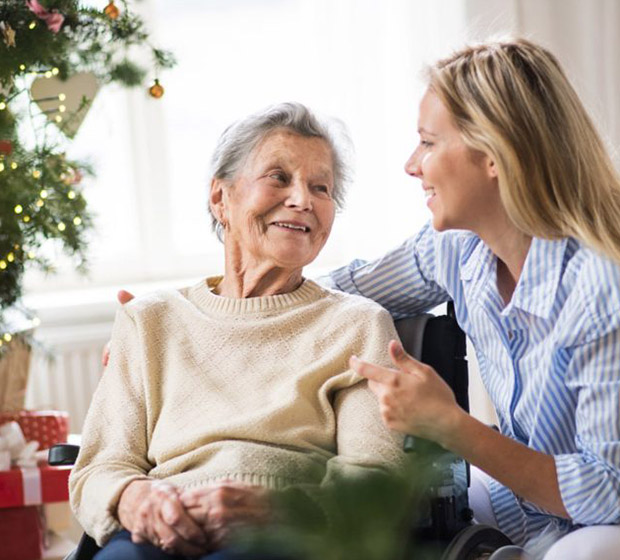
Many patients and families explore ways to prepare for the changes that can come with aging, especially when anticipating a potential health setback. With the right planning, it is often possible to remain safely and comfortably at home for many years.
Advancements in technology have made this goal more achievable than ever. Home automation devices—such as Alexa, Ring doorbells, Apple Watches, or Nest systems—can be used as powerful safety tools, assisting with fall detection, medication reminders, and enhanced home security, while offering peace of mind to both patients and their loved ones.
Helpful Considerations Before Choosing a Senior Living Community
Before deciding to relocate to a senior living facility, it is important to evaluate whether the current home environment can be adapted to meet changing needs:
Home Layout – Are there stairs? Is navigating the home physically taxing or potentially unsafe?
Financial Resources – Are funds or long-term care insurance available to cover in-home support services? Many families are unaware that a long-term care policy may already be in place to provide additional assistance should health needs increase.
Cognitive Wellness – A cognitive health evaluation may help guide planning and care decisions. Concierge internal medicine practices can arrange such assessments to assist with long-term care strategies.
Tips for Successfully Aging in Place
For those who have lived independently for decades, leaving home can be difficult to consider. Aging in place—continuing to live in one’s own home while adjusting for age-related changes—can be a realistic and rewarding choice when proper precautions are taken. Recommended modifications include:
Install Grab Bars and Non-Slip Mats in the Bathroom
Bathrooms are common sites for falls. Sturdy grab bars and non-slip shower mats can help prevent accidents and make daily routines safer.
Upgrade Handles and Fixtures for Accessibility
As grip strength changes, traditional knobs and levers can be difficult to use. Ergonomic handles and easy-turn fixtures help maintain accessibility throughout the home.
Improve Lighting in Key Areas
Dimly lit spaces—especially near stairs, hallways, and entryways—can pose hazards. Bright, well-placed lighting with easily accessible switches can reduce the risk of accidents.
Consider a Ramp for Entryways
When steps to the front or back door become challenging, a properly installed ramp can maintain independence and make entering or exiting the home easier.
Role of Concierge Internal Medicine in Aging in Place
A concierge internal medicine team like Concierge Internal Medicine Associates can help patients and families assess the home environment, coordinate supportive services, and recommend appropriate modifications. This collaborative approach ensures safety, promotes independence, and supports the goal of remaining at home for as long as possible. Allow our experienced clinical team help meet your retirement needs.