

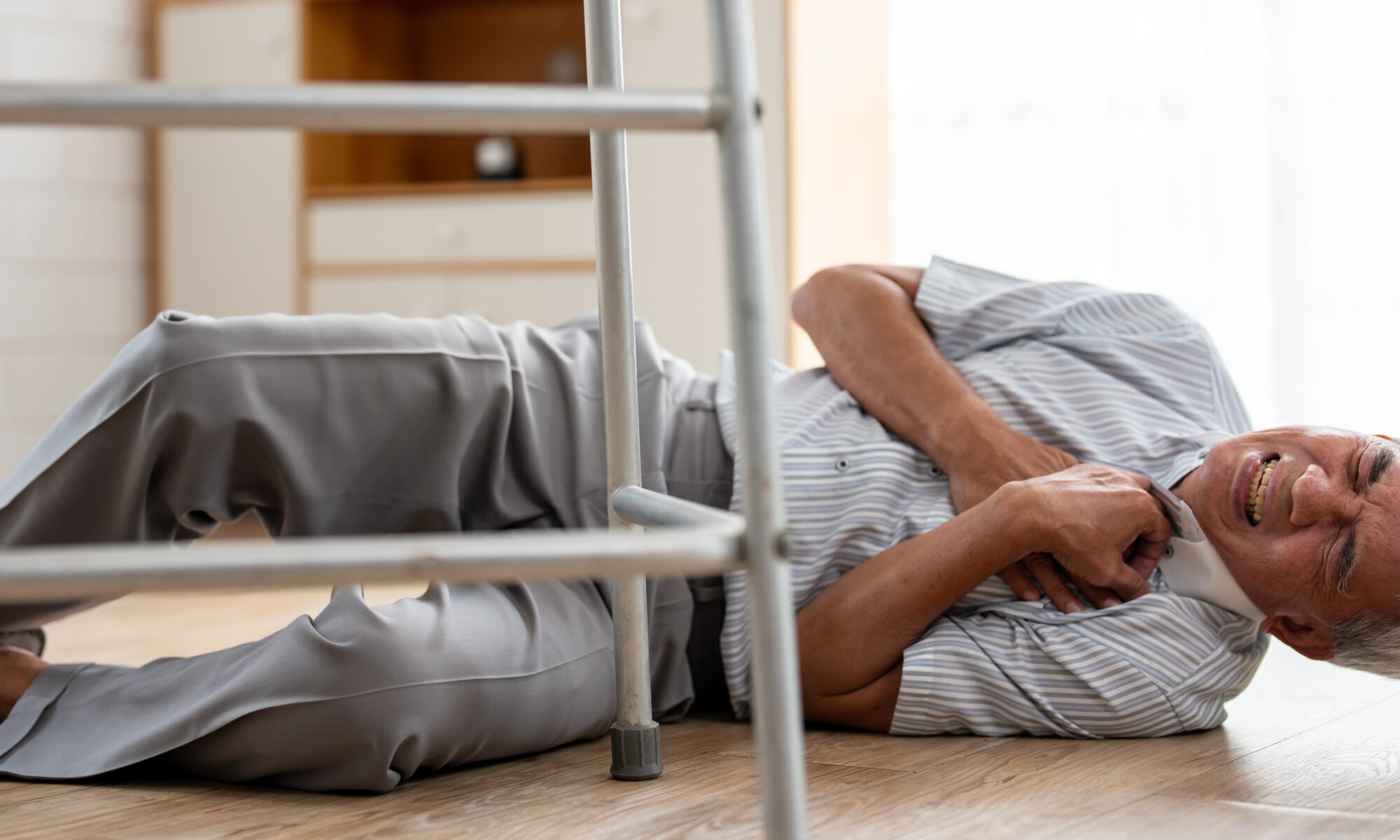
A fall may be your body’s way of telling you something has changed.
It’s easy to think that becoming unsteady or falling occasionally is simply part of getting older. But falls shouldn’t automatically be dismissed as “just aging.”
Sometimes there is an underlying reason—and finding it early can help prevent another fall and a potentially serious injury.
What Could Be Causing a Fall?
A fall or new balance problem can be related to something as simple as dehydration or a medication change. Other possible factors include low blood pressure, vision changes, muscle weakness, an inner-ear problem, neuropathy, or another medical condition.
That’s why it’s important to look beyond the fall itself.
At Concierge Internal Medicine Associates, we take the time to ask: Why did this happen?
Your physician can review your medications, blood pressure, vision concerns, strength and balance, recent laboratory results, and overall health. When appropriate, we can also coordinate with physical therapy or other specialists to help you remain active and independent.
Staying Independent Starts With Prevention
The goal isn’t to become less active because you’re worried about falling. It’s to identify risks early so you can continue doing the things you enjoy with greater confidence.
Dr. Daniel Boss, Dr. Beatrice Deshommes, and Dr. Susan Poncy take a collaborative approach to caring for adults as they age. With greater access to your physicians and a physician that knows your medical history, even a seemingly small change can be addressed before it becomes a bigger concern.
If you’ve recently fallen, feel less steady on your feet, or simply don’t feel as strong as you used to, talk with your doctor.
At Concierge Internal Medicine Associates, we’re here to help you stay healthy, active, and independent for as long as possible.