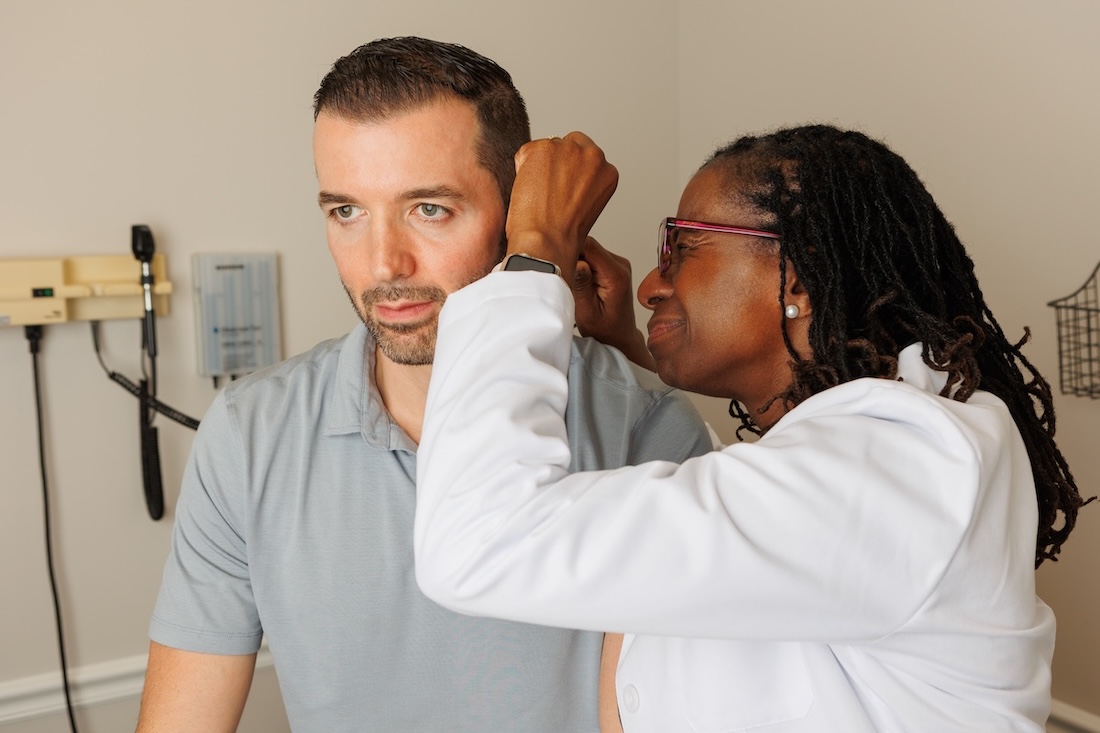


Early Lung Cancer Screening After 55: Why Preventive Care Matters More Than Ever
Understanding Lung Health as You Age
As adults enter their mid-50s and beyond, preventive healthcare often becomes less about treating illness and more about identifying risks before they become serious medical problems. Many adults in Generation X and seniors are focused on maintaining energy, protecting independence, traveling, enjoying retirement, and staying active with family and grandchildren. One important but frequently overlooked area of preventive health is lung cancer risk assessment. Lung cancer can develop quietly over time and often does not produce noticeable symptoms during its earliest stages. By the time symptoms such as a persistent cough, unexplained weight loss, shortness of breath, or fatigue appear, the disease may already be more advanced. Discussing lung health with your primary care physician can help identify concerns long before symptoms develop.
Who Should Consider an Early Lung Cancer Screening Assessment?
Many individuals mistakenly believe lung cancer screening only applies to current smokers. In reality, risk factors extend beyond smoking alone. Adults over age 55 may have additional risk considerations including previous smoking history, long-term exposure to secondhand smoke, occupational exposures, environmental factors, or a family history of lung disease or cancer. Even individuals who quit smoking years ago may still benefit from discussing their history with their physician. A personalized screening assessment with your primary care doctor allows for a complete review of your health profile rather than relying on assumptions or generalized recommendations.
Benefits of Early Lung Cancer Detection
One of the greatest advantages of early lung cancer screening is the possibility of identifying concerns at a stage when more treatment options may be available. Early detection can help physicians recognize abnormalities before symptoms develop and before a condition potentially becomes more complex to manage. Screening is not intended to create unnecessary worry—it is designed to provide valuable information that supports informed healthcare decisions. For many patients, peace of mind alone can be an important benefit of understanding their risk profile and taking a proactive approach to their health.
Why Your Primary Care Physician Plays an Important Role
Your primary care physician serves as the central point for preventive care and long-term health planning. Unlike isolated testing, a physician-guided lung cancer screening assessment considers your complete health picture, including medical history, medications, family history, lifestyle habits, and other chronic health conditions. This approach helps determine whether screening may be appropriate while ensuring recommendations align with your overall wellness goals. Preventive healthcare is most effective when it becomes part of a personalized strategy rather than a single test or appointment.
Concierge Internal Medicine Associates and Preventive Healthcare for Adults 55+
At Concierge Internal Medicine Associates, we believe healthcare should focus on prevention, early detection, and individualized care for adults seeking a proactive approach to aging well. Many Generation X adults and seniors are prioritizing longevity, maintaining quality of life, and protecting their future health. Early lung cancer screening assessments may become an important part of that strategy. Through comprehensive evaluations and personalized guidance, patients can gain greater insight into their individual health risks and take meaningful steps toward protecting their long-term wellness.