What to Expect After Recovering From COVID-19

covid recovery

What You Need to Know About Recovery from COVID-19

While there are still lingering questions about the long-term effects of COVID-19, physicians have learned a great deal about the virus over the last 14-15 months.

Here are a several frequently asked questions patient’s have asked Dr. Daniel Boss:

What Can I Expect After Recovering from COVID-19?

While most severe symptoms fade, you may not feel entirely like yourself. Patients experience fatigue, shortness of breath, and other symptoms for months after testing positive in some cases. Luckily, most people improve gradually over time.

When Can I Expect to Feel Better?

This is a case-by-case situation, as some people experience no symptoms while others are hospitalized and in critical care. Some people will recover within days of testing positive, while others will feel better in months. It is important to stay in contact with your with your primary care physician to keep them in the loop of how you are feeling during your recovery process.

When Should I Follow up with Dr. Boss?

If you were very sick or hospitalized, primary care doctors like Dr. Boss recommend following up with your primary care doctor within one week of being discharged. It is very important to do so as the highest risk of death or complications is in the first two weeks following being discharged from the hospital.

How long should I quarantine after having COVID-19 or a hospital stay?

The CDC recommends to quarantine for 10 days since your first symptom appeared. If you are asymptomatic, you should quarantine for 10 days since your positive test. In order to be released from quarantine, you need to be fever-free for 24 hours and have improvement in your other symptoms.

Should I get the COVID vaccine after having COVID?

Clinical trials indicate that the vaccine is safe for people who have had COVID-19.

If I tested positive, when should I get the vaccine?

Risk of re-infection is very low within the first 90 days after testing positive, so vaccination can be delayed due to supply issues, or if desired. With this being said, it is safe to take within the first 90 days.

What is a COVID “Long-Hauler?”

Long-Haulers are people with new or residual symptoms for more than 12 weeks after their infection. As we learn more about the virus, unfortunately this is pretty common. If you are considered a Long-Hauler, you should consult with your primary care physician as soon as possible to discuss different solutions.
Dealing with COVID-19 during the Holidays

2020 COVID-19 and the CDC

There is no doubt that this holiday season looks vastly different from last. A time that usually calls for travelling to see loved ones, crowded shopping malls, and big holiday parties has, like most other aspects of life, been vastly affected by COVID-19. The pandemic has forced us to experience everything we know in an unfamiliar way, and the effects of this may be particularly felt this holiday season. While it can be quite difficult and disheartening to have to spend days rooted in family tradition apart from loved ones, it is imperative to follow CDC guidelines for the sake of community safety and preservation. If we want to stop the spread of the pandemic, there is no excuse to let up on health and safety practices, even the upcoming holidays. However, there are certainly ways to celebrate the holidays and express love and gratitude to your loved ones while being COVID safe. So, rather than foregoing holiday plans all-together, we suggest modifying your traditions to make the most of 2020’s unprecedented holiday season.

Incorporating Social Distancing and Celebrating the Holidays with Family

First and foremost, if Thanksgiving, New Year’s, or religious holidays have been important to you and your loved one’s, don’t skip out on them. Rather, with the hardships we have collectively faced in the last year, human connection is more important than ever. We suggest finding safe ways to gather with family, whether that be socially distanced in-person, or using technology. With the many new and improved digital conferencing platforms available, a virtual twist to family traditions can be new, exciting, and quite meaningful. If you and your loved ones still insist on an in-person gathering, be sure to over-communicate expectations to ensure safety and limit potential spread. With varying comfort levels regarding distancing practices, this will be sure to ease tensions and preserve health. Lastly, it is more important now than ever to remember to cherish your loved ones, just as you would in the spirit of any other holiday season. 

Proper Hand Washing Techniques

Handwashing Made Simple: A Key to Staying Healthy and Independent

Washing your hands is one of the simplest habits you can practice to protect your health—yet it’s often overlooked or rushed. Far from being just a routine task, proper hand hygiene is a first line of defense against infections that can lead to serious illness, particularly in older adults or those with chronic conditions. Fortunately, handwashing doesn’t have to be harsh, time-consuming, or painful. With the right approach, it can become a comfortable daily habit that supports long-term wellness.

The Hidden Dangers of Poor Hand Hygiene

Failing to wash your hands thoroughly can leave behind harmful bacteria and viruses. These pathogens can easily enter your body through the eyes, nose, or mouth, increasing your risk of respiratory infections, gastrointestinal illness, and even complications from COVID-19. For seniors and individuals managing chronic conditions, these infections can lead to hospitalizations, prolonged recovery times, or a loss of independence. Simple exposures—such as touching a doorknob or grocery cart—can have significant consequences when hand hygiene is ignored.

Gentle Techniques That Make Handwashing Comfortable

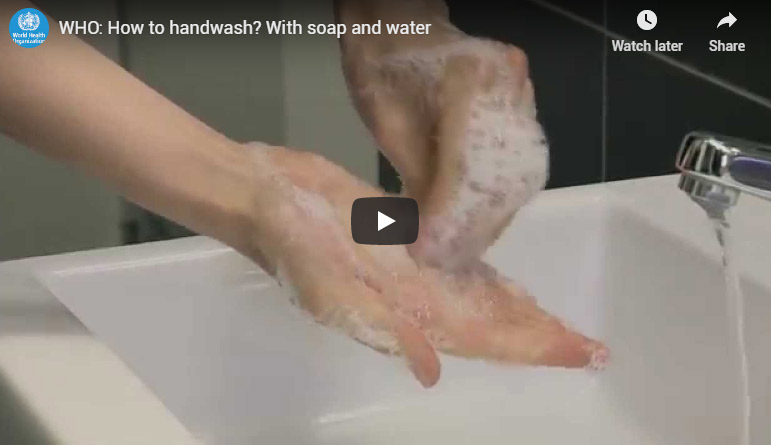
That’s why it’s important to use a mild soap, wash for at least 20 seconds, and gently dry hands to prevent skin irritation. Moisturizing afterward helps maintain skin integrity, making handwashing a skin-friendly, health-boosting habit. If you’re unsure about proper technique, check out this helpful video guide that walks through each step to ensure no area is missed. Practicing good hygiene doesn’t have to be uncomfortable—it just needs to be consistent.

How Primary Care Helps You Age in Place

In neighboring communities throughout Jupiter, Tequesta, Palm Beach Gardens, Juno Beach, and Hobe Sound, having a proactive primary care physician can make all the difference. A physician like Dr. Daniel Boss not only helps manage chronic conditions but also promotes preventive habits—like proper hand hygiene—that reduce your risk of illness and support aging in place. Through regular checkups, care coordination, and education, your doctor becomes a partner in helping you stay active, independent, and well-protected in your own home.

Practicing the daily task of hand washing does not have to be painful. Here is a helpful video that reviews the proper techniques in order to avoid COVID-19.